Tuesday, September 6, 2022

Why Take Them Out Your Wisdom Teeth?

 Wisdom teeth are the third set of molars in your mouth. They usually come in between the age of 16 and 25, and the Same Day Emergency Dentist can spot them with the help of scanning and X-rays. Here are some reasons you can consider removing them:

Impacted teeth: because they're so far back to your mouth, Wisdom Teeth do not erupt normally, and they may get trapped in between your jaw bones or gums, which is painful sometimes.

If wisdom teeth come at the wrong angle: They may press your teeth and surrounding space.

Your mouth isn't big enough: If your jaw has no room for an extra set of molars, then you should immediately visit Dental Emergency.
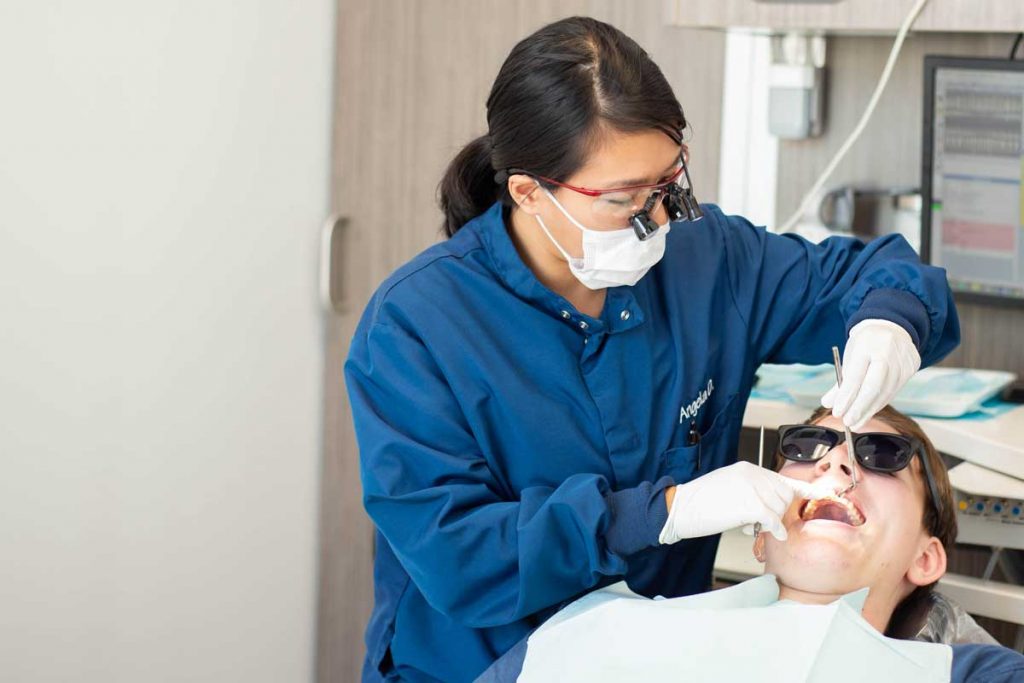
You have cavities or gum disease: Your brush may not be able to reach your wisdom teeth; this may lead to tooth cavities and gum decay.

Before Surgery

During your first appointment, your dentist will talk about the whole procedure, and post-care also, you should ask a few questions to Dental Emergency Clinic:

  • You can tell your dentist about any health problems you have.
  • List of drugs you take regularly.
  • Ask a query about your surgical procedure.
  • Discuss what type of anesthesia they'll prefer during your treatment. You can either numb or asleep during your surgery.

Here are the following guidelines for teens and young adults to prepare for surgery:

  • It would be best if you did not eat or drink after midnight before your surgery. This is just for your safety. This will subsides your anesthesia effect; with your full stomach administrating, anesthesia results in regurgitation and subsequent obstruction of your airway. This is a severe issue.
  • You should answer honestly about the over-the-counter and prescribed medications you may take. This can help dentists in avoiding unpleasant and unsafe reactions to anesthesia.
  • Be honest about intake of any drug and alcohol. Because a body that takes alcohol and drugs regularly will have various complications, you should tell Dental Emergency clinic Houston in advance.
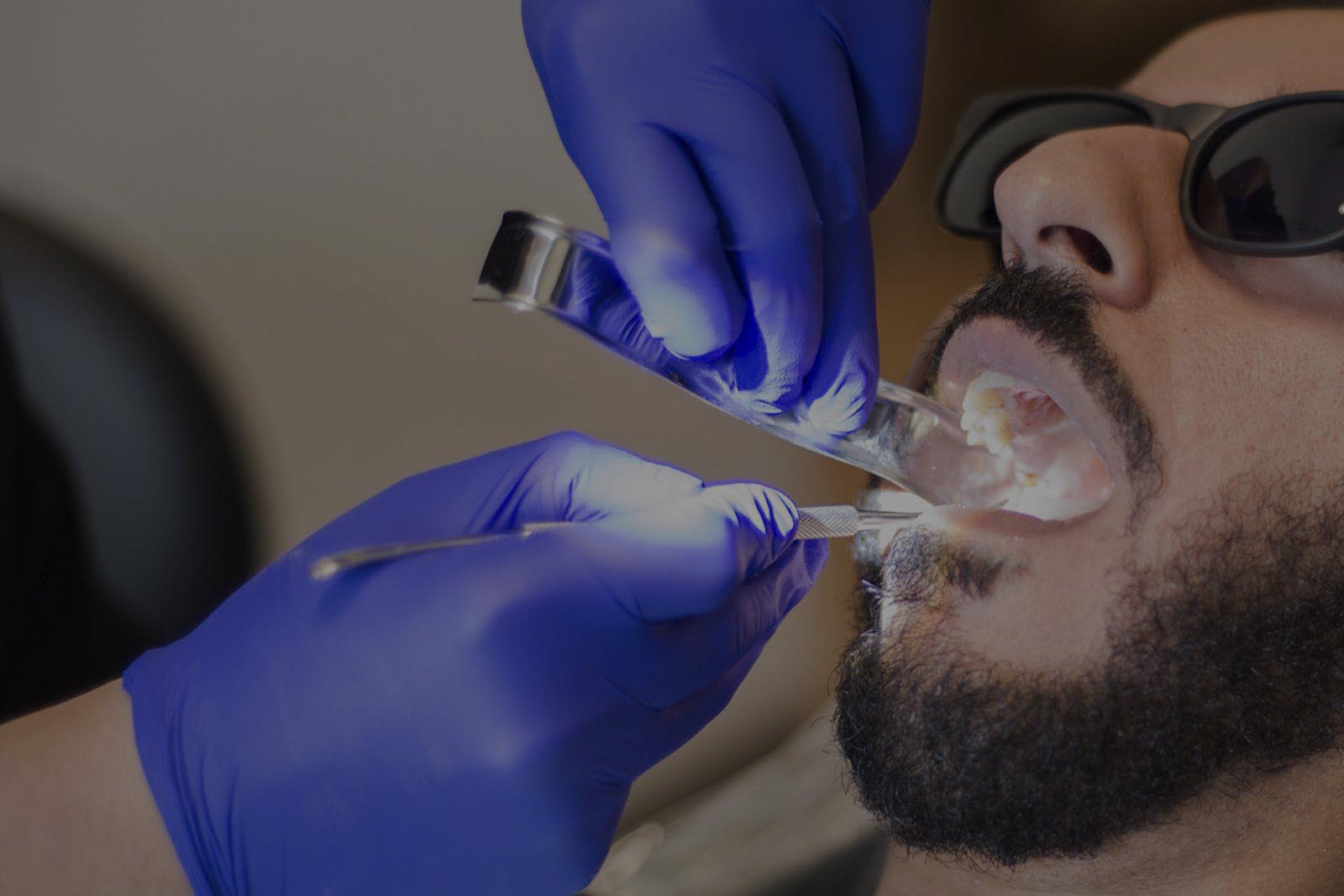
  • You should not smoke 12 hours before your surgery.
  • You should ready your room for rest or recovery in the next few days. Because you will rest for a few days, make the most of it.
  • Stock up on the right soft food to eat when you return home. Your dentist suggests ice cream, smoothies, mashed potatoes, and other soft and easy-eatable foods.
  • You should wear comfortable, loose and comfortable clothing, including sweat pants and t-shirts.
  • Young girls should pull or tie their hair back and remove nail polish or any jewelry; and You are beautiful just the way you are!
  • You should bring someone to the surgery appointment because you can't drive home! Your parent or any guardian can stay at the dentist's office for the duration of your procedure.
  • And finally, when your surgical team assists you from the waiting room, you should turn off your phone.

You should immediately visit your dentist for treatment Wisdom Teeth Extraction Near Me or if you find any pain or swelling around your teeth.

Article Source : https://www.shoutarticle.com/why-take-them-out-your-wisdom-teeth/

Tuesday, August 30, 2022

What Is The Difference: Veneers Vs. Lumineers?

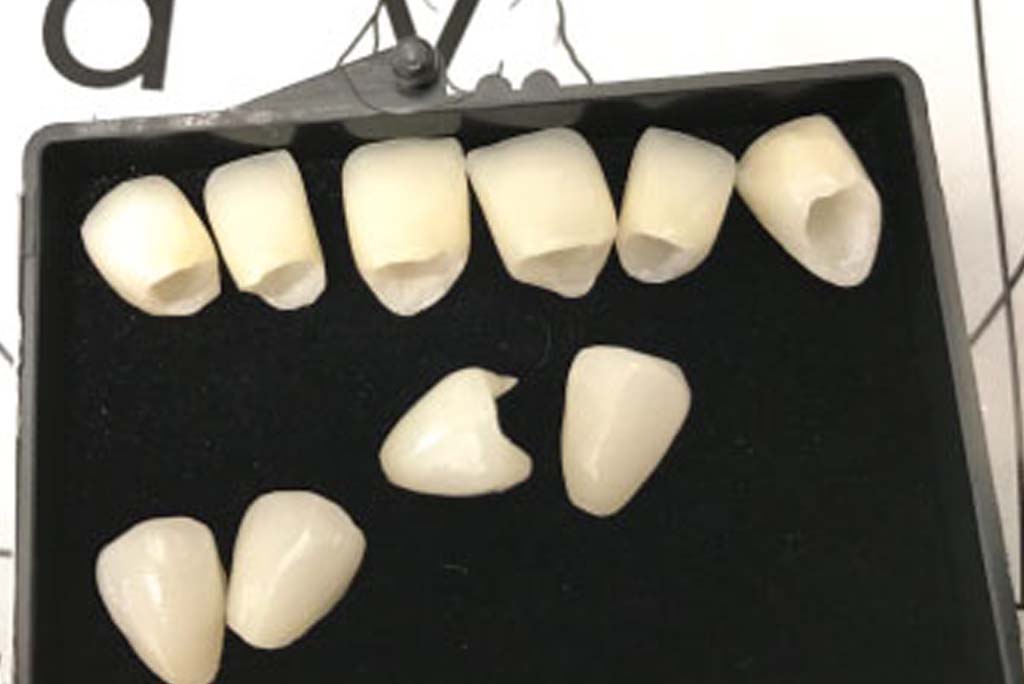
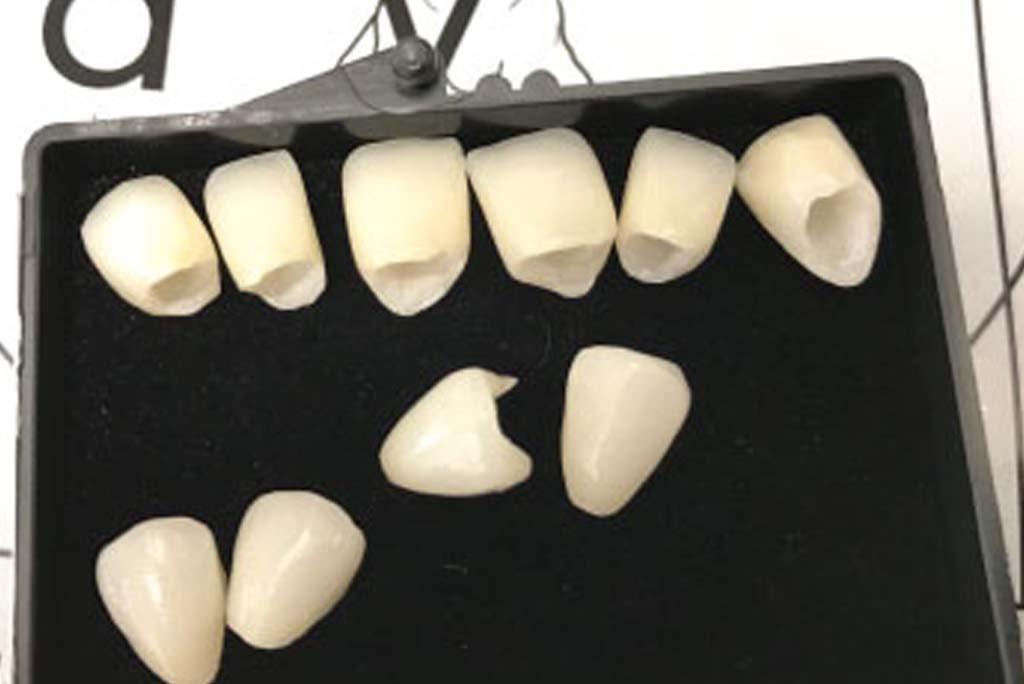
 Veener is one of the restorative options that dentists use to cover discolored or chipped teeth to look clean and white. Traditionally Dental veneers are made of white porcelain materials and require proper preparation for the placement on your teeth. Nowadays, your Dental veneers Houston offers a different type of veneer, called lumineers or "NO PREP" veneers.

Lumineers are very thin, cheaper, and instantly applied. But you should contact your dentist to choose the right kind of veneer. Here are some benefits of traditional porcelain veneers and "no-prep" veneers like Lumineers to better understand these processes.

Porcelain veneers

Porcelain veneers are a restorative process that makes your teeth whiter and straighter. They're permanent procedures for your teeth. However, the preparation and application process is quite lengthy process. Lumineers require fewer preparation times; they are reversible but do not last as long as veneers. Moreover, they are not as effective at hiding highly severe stained or chipped tooths.

What are the benefits of Traditional veneers?

Resistant to staining

After applying veneers, you can imagine "perfect" look-like teeth such as brighter, whiter, and glossy. They don't have pores like tooth enamel; therefore, veneers are resistant to staining. However, the edges of veneers may stain after five or more years.

Well suited to chipped, broken, or severely stained teeth

The Dentist locations near me recommend veneers in cases where teeth appear yellowish or brownish or show any decay or cavity on your teeth enamel. Usually broken or chip teeth, smaller than average teeth, and typically heterogeneous teeth or teeth overlapping.

They're permanent

You need to compromise your teeth' enamel to get veneers; getting traditional veneers is irreversible.

Veneers can also make brushing and flossing harder to reach your gum line, leaving your teeth uncleaned and putting your teeth at higher risk for infectious gum disease.

They last about 8 to 10 years

On average, your traditional veneers can last 10 to 15 years, and sometimes this rate goes up to twenty years. In addition, they are durable and long-lasting as compared to lumineers.

Lumineers

Lumineers are a type of veneer that take less preparation time and advanced dental work compared to traditional veneers. Instead of porcelain, laboratory technicians made lumineers or "ultra-thin" laminate.

More translucent than veneers

Like traditional veneers, your dentist uses lumineers to restore a person's color, shape, and healthy smile. Moreover, they're smoother and slick when you touch them.

Lumineers are thinner and translucent, but they're not preferable to those who have severely discolored teeth.

No teeth grinding needed

Your lumineers don't need to grind your teeth to thin them before applying. Dental clinics open near me customizes a set of lumineers specifically for your teeth. 

They're semipermanent

Your lumineers are not a permanent solution to your teeth. After application, your veneers can drop, which may damage your teeth.

Like veneers, lumineers can make your teeth harder to brush or clean around your teeth' gum line, which can increase the risk of gum infection and lead to severe diseases. So you should visit your Dentist near me open today to know all the advantages and disadvantages of both the procedures.

Article Source : https://www.articleslurp.com/what-is-the-difference-veneers-vs-lumineers/ 

Friday, August 26, 2022

How Often Should You Whiten Your Teeth?

 If you want to keep your teeth and smile like a movie star, that will make all your friends and family jealous. But how can you maintain your smile between whitenings? Do you'll know how to keep your teeth looking best?

If you find answers to all your questions, you're in the right place. Here are some facts about your teeth whitening treatment.

How often should you whiten your teeth?

When it comes to In Office Teeth Whitening and smoothing your teeth, it's generally not a simple situation. Because without a teeth whitening procedure, you might not get the perfect color and healthy teeth. Your teeth need regular upkeep like the rest of the body. So the question arises how often should you whiten your teeth?

Generally, You should visit Dentist Houston Tx for a regular checkup at least twice a year. In addition, you should have proper dental practices such as brushing and flushing your teeth twice a day. However, you still notice some dramatic dulling of your teeth.

Because only the top dentist near me can see your hidden teeth-related problems, including problems related to the whitening effect, sometimes cavities or toot damages are harder to spot when you have teeth whitening. So, your dentist can scan your teeth with dental gadgets and diagnose your teeth issue.

How can I continue my teeth whitening in between visits?

Suppose you want to protect your teeth in between the time gap. In that case, there are a few dental and general practices that you should follow to keep your teeth white and healthy, just like you got your teeth when you came out of the Teeth Whitening Dentist Near Me.

Don't Smoke

This one might seem obvious but also meaningful! Smoking is harmful to both your dental and general health, and not only does it damage the overall health, but it also your mouth and throat.

Smoking regularly leads to yellowing your teeth and will eliminate the whole whitening procedure. If you're a regular smoker, You should quit smoking to help your pearly whites.

Avoid foods and drinks that stain

Not only smoking but your eating or drinking habits can cause discoloration! Plenty of food and drinks can make your teeth yellowish or brownish, and you shouldn't completely ban them but limit them and drink plenty of water while eating or drinking them. Some of these foods include coffee, Redwine, berries, and tea.

Brush after every meal

Even if you're aware of your diet, there is still something you want to eat or drink this food also leaves some stains on your mouth. Even if they are healthy, all food and drinks leave stains on your teeth.

Keeping your dental practices well scheduled is a great way to keep your teeth stain-free or eliminate all the possibility of eating or drinking. It will also feel fresher when the day goes on. Also, it would be best to use a bit of mouthwash when you can't brush or floss daily.

Brushing and flossing your teeth will protect your oral health and hygiene. Still, you should visit a Houston dentist if you find bad breath or any pain around your teeth.

Article Source : https://www.articleapprove.com/how-often-should-you-whiten-your-teeth/ 

Wednesday, August 17, 2022

What are the 4 Stages of a Root Canal Treatment?

 Many patients have concerns and worry about how much the procedure is lengthy. Is Root canal treatment painful? And many more, but thanks to modern dentistry and technology, there isn’t much to worry about. Root Canal Dentist Near Me performs root canal treatment under local anesthesia and is widely successful. Here is the treatment process for the root canal, which usually includes four steps:

Stage 1: Diagnosing the Infected Pulp.

The core of your tooth is soft and has blood vessels and nerve tissue, called the pulp. Your doctor recommends root canal treatment when the inner core of your tooth becomes infected. Find any pain and swelling around your tooth. It would be best if you immediately visit your doctor to prevent your tooth from infection and dental treatment. During the consultation, your dentist will discover the problem and send you to a specialist for further examination. An endodontist will use digital scanning and X-rays to confirm that your tooth needs tooth extraction or root canal treatment. 

Stage 2: Eliminating your Infected tooth Pulp.

To get rid of infected and dead pulp inside your tooth, an endodontist makes an opening by drilling a small hole in the top of your tooth. With some surgical tools, Same Day Dental Emergency cleans the canal of your tooth, removing dead tissues and possibly applying medication to ensure the removal of infection and a healthy tooth.

17.jpg

The core of your tooth is now cleaned out and free from any infection.

Stage 3: A new Root Canal Filling is Placed.

Then after cleaning, your dentist will fill your empty teeth space with a new root canal filler, called gutta-percha. They apply an adhesive sealant to the area that protects your roots filler from bacteria and salvia. However, sometimes during these stages, a root canal treatment, Emergency Dental Services widens your treatment for cleaning the infection and places a rod as a restoration material. Your dentist places a temporary filling over the opening of your tooth.

Stage 4: The Tooth is Restored.

The patient should contact their dentist after a week to remove the temporary filling. Then your dentist fills your teeth with permanent restoration material or dental crown, which provides strength to your teeth and looks your tooth as it was before the infection. It also increases the durability of your root canal treatment.

16.jpg

Also, the sealant, which your restorative dentist use to restore the tooth, will protect your tooth from further infection.

Does your root canal after care seek help?

Your root canal treatment pain decreases with time. But if you feel pain after a few days, you should see your doctor. Most people need 1-2 dental visits for a successful root canal treatment. In severe cases, you may need more cleaning sessions.


Your symptoms should ease up if you take any medication for pain. Your doctor prescribes pain killers such as ibuprofen or narcotics pain, and however, there are only taken temporarily. So it would be best to visit your dentist for proper treatment and aftercare.


Article Source : https://www.articleentry.com/what-are-the-4-stages-of-a-root-canal-treatment/

Friday, August 12, 2022

What is the Hidden Truth Behind Porcelain Crowns?

 Your dentist uses restoration treatment to provide the same functionality and look of your teeth. It is an artificial way to preserve teeth from infection and worry about your smile. Nowadays, many dentists use modern technology to produce natural-looking white teeth substances for your damaged teeth. One excellent example of this is dental crowns. Your dentist uses dental crowns in various ways, including restoration, replacement of knocked or chipped teeth, or an aesthetic look to your tooth.

When it comes to dental crowns, an average patient cannot differentiate between the types and materials of dental restoration. Porcelain crown have several significant merits, as explained, including:

WHAT IS A PORCELAIN CROWN?

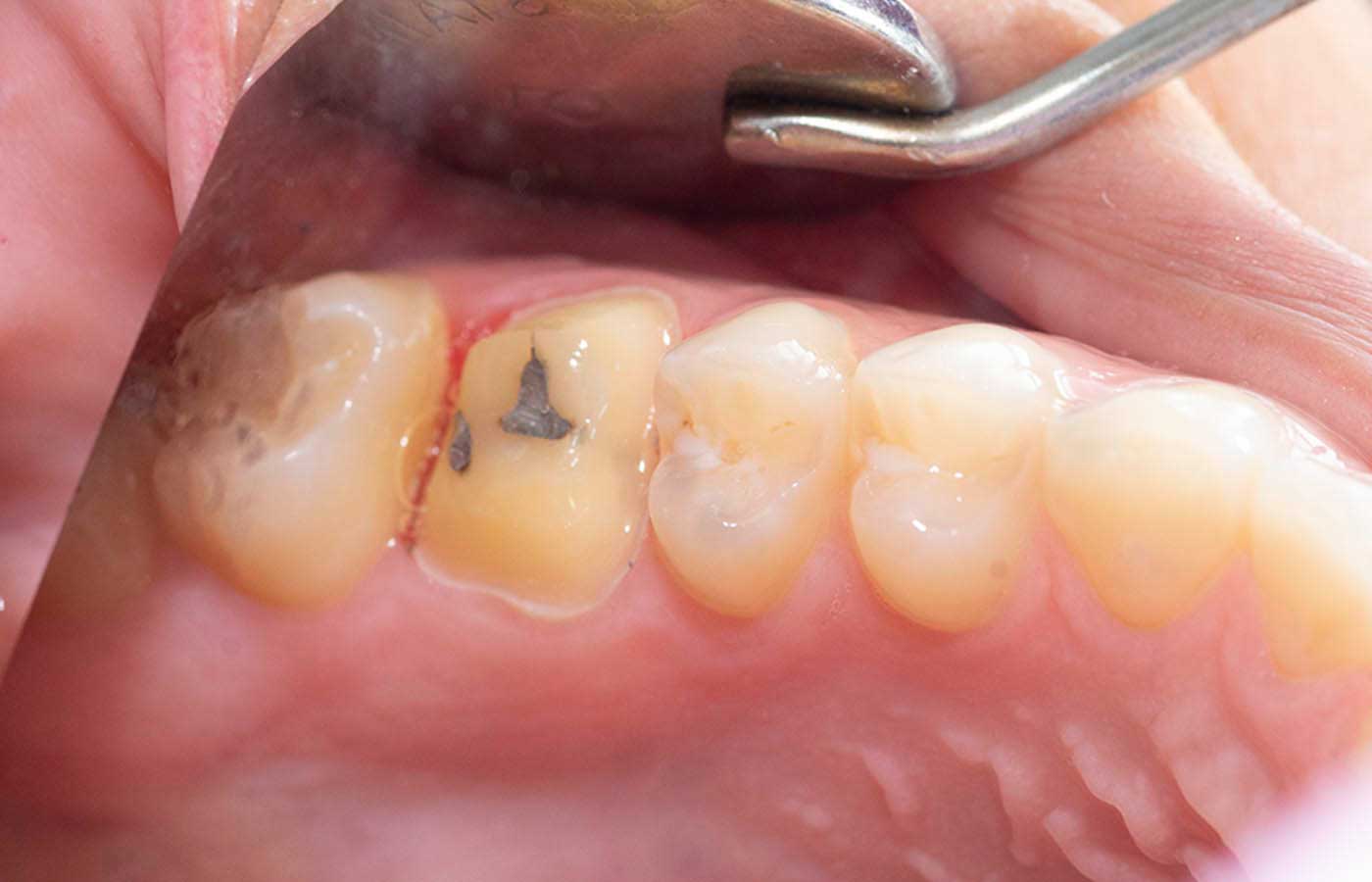
A porcelain crown is a dental restorative procedure that imitates the authentic appearance of your tooth, also known as a dental cap since a dental crown provides extra protection to your damaged or your treated teeth. Its primary purpose is to restore your tooth after it is chipped, cracked, or cavity. Your dentist also uses dental crowns to fix teeth discoloration issues. 

Porcelain can protect your damaged teeth from additional damage and cavities. Porcelain can help patients preserve the healthy parts of their teeth. Sometimes, these crowns can reduce your dental sensitivity. In addition, porcelain is very low maintenance, gives an aesthetic look, and has fine functionality.

Process of placing a porcelain crown near me

FIRST VISIT

Your dental crown placement takes at least two dental visits. On your first appointment, your dentist will thoroughly examine the damaged site through digital scanning or X-rays. Then your dentist performs oral prophylaxis to ensure your teeth have no food particles left. For impression, your dentist trims down a small portion of your enamel. Also, your dentist removes the shade based on your teeth' color. They will place a temporary crown while the dentist applies a permanent one. This step ensures the safety of your teeth' shape, through which your final crown fits perfectly.

SECOND VISIT

Your dentist schedules the placement date of permanent porcelain dental crowns. During this appointment, your dentist removes the temporary crown and performs dental cleaning to ensure your teeth are plaque-free. Finally, your dentist attaches the full porcelain crown Houston to your tooth using special dental cement. They will make adjustments before fixing your crown and apply UV laser light for better adhesiveness if needed.

How can you find a Delta Dental network dentist?

When you visit a dentist, how do you check delta dental network dentist, and what are its benefits? Your delta dental insurance lowers your pocket costs. Still receive care from an out-of-network dentist. You may have to pay additional charges because your dentist has agreed to accept reduced fees.

Balance billing is not allowed. Your networked dentist agrees to accept delta dental PPO coverage and the patient's co-payment or full payment deductible. So you can visit the best Dentist In Houston for porcelain restorative treatment.  

 Article Source : https://www.articleaffiliate.com/what-is-the-hidden-truth-behind-porcelain-crowns/

Monday, August 1, 2022

Do I Need a Dental Crown?

 A cap or a shell look-a-like natural teeth and is called a crown. It can make from various materials, including metal or porcelain. You may get a crown for a molar, but no one can identify it. In addition, it increases the durability and longevity of teeth and protects your filling from infection or disease.


You will get an appearance that doesn’t distract and make you worry and smile freely. A dentist can discuss the various options available to help you figure out. What is best for you? You can visit the best dentist near me.

Types of dental crowns

There are different kinds of materials that can use in crowns, Such as:


  • Zirconia: This is a combination of white solid ceramic glaze and metals.
  • Metal: Various types of metal can use in dental crowns, including gold, silver, etc.
  • Porcelain or Ceramic
  • Composite resin
  • A combination of materials

16.jpg

Dental crown procedure

The tooth crown procedure will depend on whether your dentist opted for a multi-day or same-day treatment.

Multi-day procedure

With this traditional approach, you may need at least two visits. During the first day of your visit, your dentist will examine and take digital scans with the help of these impressions; they will also mould teeth in the laboratory. Moreover, they will remove some layers of your enamel to fit the crown. The dentist will put a temporary crown until the final crown comes. During the second visit, Your dentist will cement the crown to your tooth.

Same-day procedure

In this procedure, your dentist will take X-rays, and by using them, the laboratory technician will make the crown right there in the office. You must wait a few hours; once the crown is ready, your dentist will cement the crown. If you are confused, you can visit crowns near me.

18.jpg

Who needs a crown?

If you have a large cavity too big for a filling, you should go for a crown treatment.

In case you are suffering from these problems:


  • severely worn down or knocked teeth
  • Chipped or cracked
  • Weakened teeth with little cavity

Dentist recommends Crowns to all who have taken a root canal on a tooth because the tooth is more fragile and needs protection. It provides strength to surrounding teeth and covers infectious and disease teeth. Still, if you have any doubt, visit a dental crown near me.

Dental crown costs

According to reliable sources, crowns may range from $800 to $1,500, depending on the material used. Also, it may vary from place to place. However, all-metal crowns, made of alloys, are sometimes cheaper than porcelain and gold crowns. Choosing a gold metallic crown may cost you as much as $2500.


The cost of treatment may also increase if the dentist performs extensive preparation before cementing the crown. i.e., you may need a root canal treatment (RCT) or an implant; both can lead to driving the price up. Your dental insurance may cover the total cost of the procedure. However, if your plan may cover only certain kinds of crowns, check it with your insurance provider to get full details. For a healthy and hygienic smile, you can visit dental crowns near me.


Article Source : https://www.bloggingpalace.com/do-i-need-a-dental-crown/

Tuesday, July 26, 2022

What Are The Types Of Dental Implants?

 Dental Implants Houston is made up of pure titanium material. They are pretty small and well fitted into your bone and have the same functionality as natural teeth. Dental implants can replace tooth loss or knock and chipped teeth.

Types of Dental Implants

There are three types of dental implants that you can select:

Endosteal:

These dental implants are one of the safest and most commonly used. They are suitable for all patients but require a healthy mouth and jawbone. 


Endosteal are placeholder and shaped like screws. A dentist puts this endosteal into your jaw by drilling your teeth and placing pseudo tooth on it. Once the treatment ends, it takes a little time to heal but requires time to fuse. And create strong and healthy teeth. But if you don't like this procedure of placing false teeth on your mouth. Then you might go for the second most common treatment.

Subperiosteal Implants:


Subperiosteal Implants are a treatment in which, instead of fixing the screw inside the jaw bone. The procedure allows the dentist to rest the implant on top of the bone inside the gums. During the procedure, the dentists place a metal frame under the gum with a post attached to it, suggesting healing time for the gums, And then they place artificial teeth.


Dentists use this treatment when the patient doesn't have enough jawbone for an implant, or the patient doesn't want to go with the dilling and screw process. But if this doesn't apply to you, maybe this subsequent treatment is for you.

Zygomatic Implants:

This is the least common type of treatment available for you, and it is the most extensive and complex procedure. If you don't have enough gum bone, the dentist suggests this dental implant. The dentist places this type of implant into the cheekbone instead of the jawbone.


Other Techniques


Bone Augmentation

The dentist will re-correct your jawbone if, in case, it cannot supports dental implants. It is possible to use a bone additive to fortify the jawbone. 

Sinus Lift

This procedure involved adding an extra supportive bone to the sinus if the bone doesn't have enough support for the implant.

Ridge Expansion

Suppose the width of your jaw is not enough for the dental implant. In this case, your dentist will create the top of your jaw by grafting material.

Are dental implants affordable?

Conspicuously, one of the most popular questions about this procedure is "How much does a dental implant cost?" The cost for a removable full mouth dental implant is the least expensive compared to other treatments.


The cost of a lone tooth dental implant may be Affordable Dental Implants compared to the other dental implant treatments. This includes a minor surgery for its placement, all the components and material, and the implant crown itself. For any such queries visit Dental Implants Near Me.


Article Source : https://www.wellbeingcares.com/what-are-the-types-of-dental-implants/

Is Invisalign A Better Option For Children?

  Many people prefer Invisalign over braces as they match the color of the teeth flawlessly. Suppose you have crooked, crowded, or misaligne...