Monday, September 13, 2021

Impacted Wisdom Teeth: Get Rid Of Them By Expert Dentists

The wisdom teeth emerge only towards the end of the gums. This would be so inside that you may be unable to see it. Some people may feel severe pain as this tooth may be decayed or may not fully emerge. It is always advisable to meet the dentist for impacted wisdom teeth removal. The dentist will be able to visualize it or maybe an x-ray is taken to know more about its position.

 

The third molars or wisdom teeth are located at the back of the teeth and do not have enough space to grow. They may emerge out of the gums partially and thus create more wisdom tooth pain. The toothbrush cannot reach the back of the teeth and thus there is more housing for the bacteria. The bacteria lead to oral infections and gum diseases. Removing the wisdom is the last resort to get rid of the problem. Get the treatment from emergency dental care, if the issues are severe.


Immediate Treatment for Problematic Teeth:


If there is any problem the dentist in the dental office will take immediate action. If the remedy is done at an earlier stage then there would not be much problem. The patient may be prescribed to remove the teeth. An oral specialist has to remove the tooth. Many people are frightened of tooth removal but it is a very minor procedure. These days even local sedatives are used to reduce the pain. There may be some post-surgery inconvenience in the mouth which the dentist may explain. If some side effects are very serious and excessive then the patient has to meet the dentist instantly.
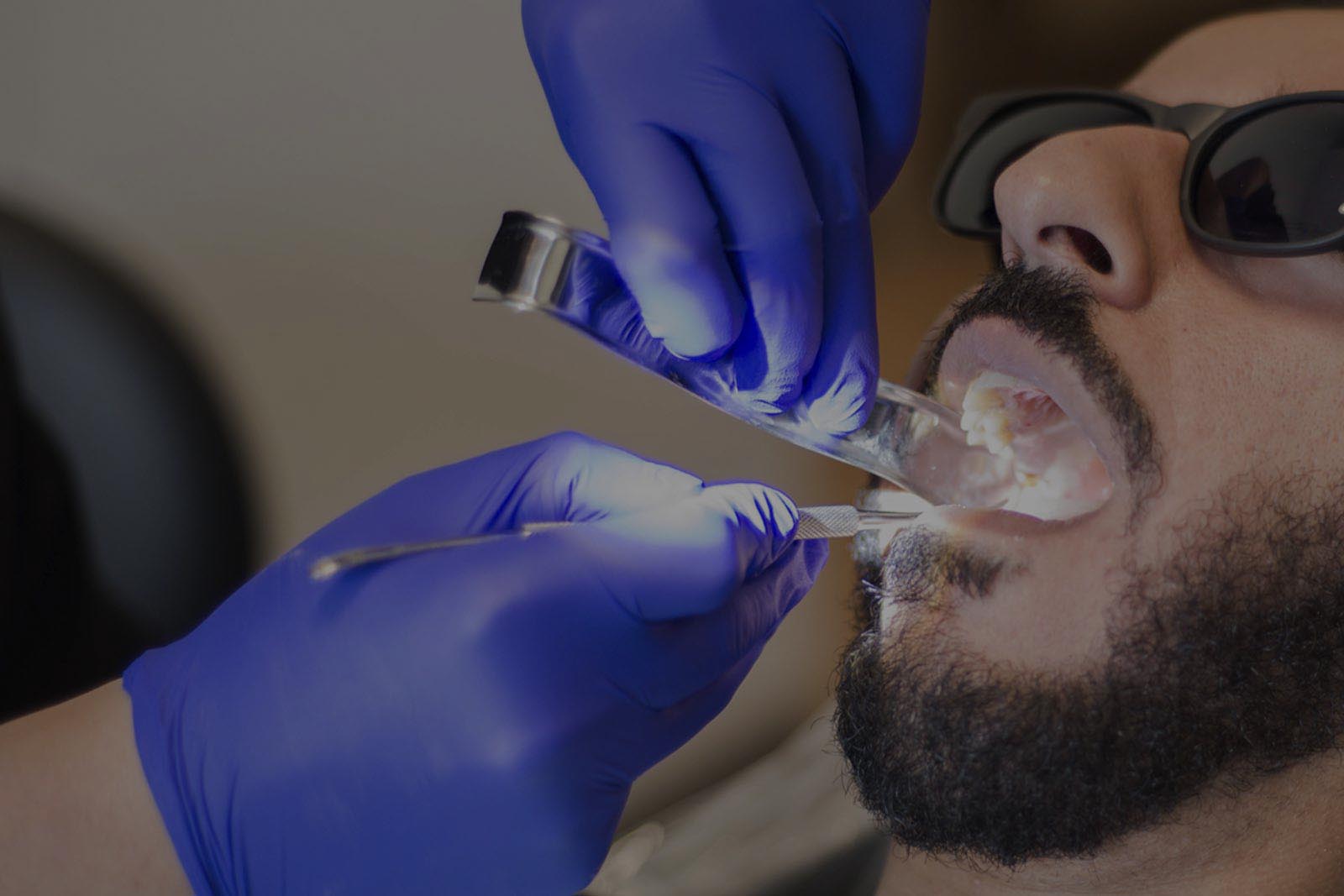
 

The patient has to cling to the postoperative treatment and medicines to avoid any inconvenience. Impacted wisdom teeth removal is the only way to get rid of problematic teeth. After the wisdom teeth removal, the patient has to be in a decent eating regime. Some feel only liquid food may have to be consumed. Food containing minerals and calcium has to be consumed to have healthy teeth. If advice is not followed strictly there may be a problem and cause a hole in the pocket. Teeth are also a part of the body and it has to be treated like that. Negligence may cause more problems. Wisdom tooth problem is a problem faced by many people and has to be treated immediately.


Local Anesthesia Used:


Almost all people face this problem but it can be solved by the dentist or a specialist. Local anesthesia is administered to keep the patient relaxed and away from pain. Mostly it is injected into the gums to make them numb when the teeth are removed. If there are many teeth to be removed and the patient has bad health then it is better to give general anesthesia. This helps in getting rid of the tooth problem without using much time and without pain.


It is always better to explain all the health issues to the dentist to get the proper treatment. The dentist can plan the operation accordingly and thus it changes from one patient to another. After the treatment, there may be draining from the hole for more than 24 hours but if it continues it is better to meet the dentist. The dentist would be able to explain the seeping as it differs for each patient. It is always better to meet the correct dentist to get the correct treatment. The wrong choice of the dentist may increase the time of treatment and the patient may have to spend more money also.


Impacted wisdom teeth removal involves a small procedure. The gum tissue over this tooth has to be eliminated to have an improved view. This one also has to be removed to target the wisdom tooth. Once the tooth is removed there may be a big hole that has to be stitched. These stitches help the gums tissue to be joined together and thus the wound will be healed soon. After the treatment, the patient has to eat soft foods until the wound is healed. 

Monday, September 6, 2021

What are the Types,Cost, and Benefits of Dental Veneers?

A wafer-thin, custom-made shell of tooth-colored materials designed to cover the front surface of teeth to improve your appearance is known as Dental veneers. To the front of the teeth, these shells are bonded to change their shape, color, size, or length. Uneven, stained, and chipped teeth can be hidden by veneers.

fdvzsdad.jpg


Having damaged or discolored veneer teeth can affect their self-esteem or confidence for some people. They can help to improve the appearance of the teeth. Types of dental veneer available, cost of veneer, the benefits, and the dental veneer procedure, read this article to know more about all of these.


Types of dental veneers

There are mainly two types of veneers.

  1. Porcelain veneer-They are thin caps that a dentist can place on the tops and sides of the teeth. The dentist will remove some enamel from the tooth before placing them or attaching them. It is possible to make them whiter to brighten the smile however,porcelain veneers have the same color as natural teeth.

fdsvgfsd.jpg


  1. Resin-based Composite veneer- They tend to be less expensive and require less enamel removal and are similar to porcelain veneers. Before placing the composite veneersometimes a dentist may not have to remove any enamel. If damaged or broken composite veneers are usually easier to replace than porcelain veneers.


Cost of dental veneer

On the number of teeth a person needs to cover and the expertise of the person performing the procedure, these are the two criteria on which dental veneers range in price based. A person can expect to pay between $925 and $2,500 per tooth according to the ADA. These veneers cost can vary based on these:

  • On the type of veneer
  • Before the procedure the amount of preparation necessary.
  • The geographical location of the person

Most insurance plans will not cover the cost, since most insurance companies consider veneers a cosmetic procedure.


Benefits and Risks of Dental Veneers

These are the advantages of veneers:

  1. A natural teeth appearance is provided by them.
  2. Gums tolerate porcelain well.
  3. Porcelain veneers are said to be stain-resistant.
  4. To make dark teeth appear whiter a color can be selected.
  5. As crowns require much shaping compared to veneers but still they are stronger and look better.

dfzsf.jpg


Dental veneer risks

The risks involved with Veneers teeth are as:

  1. This process can not be undone
  2. The cost of veneers is much high as compared to composite resin bonding.
  3. If they chip or crack veneers usually cannot be repaired.
  4. The color of your other teeth cannot be matched by these veneers.
  5. People with weakened teeth, unhealthy teeth, are advised not to get the veneers.


Dental Veneer Procedure

You may require three trips to the Dentist Office Near Me in order to get a dental veneer. The first one is for consultation and two to make and apply the veneers. At the same time, one tooth or many teeth can undergo the veneering process. These three are the main steps in the dental veneer procedure.

  • Diagnosis and treatment planning
  • Preparation
  • Bonding


What are the Types, Cost, and Benefits of Dental Veneers?

 A wafer-thin, custom-made shell of tooth-colored materials designed to cover the front surface of teeth to improve your appearance is known as Dental veneers. To the front of the teeth, these shells are bonded to change their shape, color, size, or length. Uneven, stained, and chipped teeth can be hidden by veneers. 


c1e1561131675373.jpg

Having damaged or discolored veneer teeth can affect their self-esteem or confidence for some people. They can help to improve the appearance of the teeth. Types of dental veneer available, cost of veneer, the benefits, and the dental veneer procedure, read this article to know more about all of these.


Types of dental veneers

There are mainly two types of veneers. 

  1. Porcelain veneer- They are thin caps that a dentist can place on the tops and sides of the teeth. The dentist will remove some enamel from the tooth before placing them or attaching them. It is possible to make them whiter to brighten the smile however, porcelain veneers have the same color as natural teeth.


  1. Resin-based Composite veneer- They tend to be less expensive and require less enamel removal and are similar to porcelain veneers. Before placing the composite veneer sometimes a dentist may not have to remove any enamel. If damaged or broken composite veneers are usually easier to replace than porcelain veneers. 


pc1b.jpg

Cost of dental veneer

On the number of teeth a person needs to cover and the expertise of the person performing the procedure, these are the two criteria on which dental veneers range in price based. A person can expect to pay between $925 and $2,500 per tooth according to the ADA. These veneers cost can vary based on these:

  • On the type of veneer
  • Before the procedure the amount of preparation necessary. 
  • The geographical location of the person

Most insurance plans will not cover the cost, since most insurance companies consider veneers a cosmetic procedure. 


Benefits and Risks of Dental Veneers

These are the advantages of veneers:

  1. A natural teeth appearance is provided by them.
  2. Gums tolerate porcelain well.
  3. Porcelain veneers are said to be stain-resistant.
  4. To make dark teeth appear whiter a color can be selected.
  5. As crowns require much shaping compared to veneers but still they are stronger and look better.


20180628tgz5ma.jpg

Dental veneer risks

The risks involved with Veneers teeth are as:

  1. This process can not be undone
  2. The cost of veneers is much high as compared to composite resin bonding.
  3. If they chip or crack veneers usually cannot be repaired.
  4. The color of your other teeth cannot be matched by these veneers.
  5. People with weakened teeth, unhealthy teeth, are advised not to get the veneers.


Dental Veneer Procedure

You may require three trips to the Dentist Office Near Me in order to get a dental veneer. The first one is for consultation and two to make and apply the veneers. At the same time, one tooth or many teeth can undergo the veneering process. These three are the main steps in the dental veneer procedure.

  • Diagnosis and treatment planning
  • Preparation
  • Bonding

Monday, August 23, 2021

What are the Causes, Procedure, Aftercare, and cost of Tooth Extraction?

 Tooth extraction is one of the most feared procedures in dentistry. Patients have an assumption that it's a very painful procedure that is built by the horror stories they heard around. The tooth extraction is a routine procedure for most dentists it is a fact. Whereas a simple extraction procedure can cause you nothing more than minor discomfort. 


wisdomtoothremovaldentistnearme.jpg

Causes of extraction of the tooth

When there seems to be no apparent problem with the tooth, you might be wondering why the dentist wants to remove your tooth. Only when there is no hope of saving the tooth, the best dentist near me decides to remove the tooth because they are professionals who can identify dental diseases and conditions. The dental disease can progress and cause further detrimental effects in the affected region if the tooth is not removed.


The procedure of tooth extraction

Between 5-30 minutes a routine tooth removal procedure can take anywhere. The procedure for the extraction of a tooth is as follows.

-Administration of local anesthesia which desensitizes the tooth. In proximity to the tooth that is to be anesthetized, this is administered in the oral cavity. Upon subsequent tooth removal, the desensitized tooth does not pain.

- An instrument is being used by the dentist named as an elevator. This is used to severe the ligament fibers that attach the tooth to the socket. This is an instrument with a blunt tip.

-An appropriate forceps are selected to engage the tooth to be removed after the fibers are severed. By the forceps, the tooth is then removed carefully. The tooth is removed entirely from the mouth, the dentist then makes sure of this. 

-There are some risks associated with an extraction. The procedure is optimally done without any damage to the adjacent teeth or structures, a good dentist also makes sure about this. 


pc1b.jpg

Tooth Extraction aftercare

The site of Tooth Extraction Near Me usually heals in a few days. With the extraction of the tooth, there may be some degree of pain and swelling associated. By applying cold packs and taking painkillers, you can usually subside it.

  • For the next 24 hours do not rinse your mouth 
  • Take your medications as prescribed.
  • To take rest and not strain yourself, this will be ideal.
  • After the extraction socket is filled up with a blood clot vigorous spitting or similar activities may dislodge the clot and which may lead to a condition known as dry socket.

Cost of tooth extraction

The Tooth extraction cost varies widely depending on whether the tooth is impacted or not. Depending on the anesthesia you need, simple extraction usually costs between $75 and $200 per tooth and maybe more.

In the case of impacted teeth removal, the cost is significantly higher and it can land anywhere between $800 and $4,000. How much you pay for the procedure depends on where you live because many services are tailored to an area’s cost of living. 


Why Getting Professional Teeth Cleaning is Important?

 A moist and warm oral environment is very conducive for bacteria growth and it can manifest in a number of ways. Plaque is the film formed on your teeth by the bacteria colonies in your mouth. If this plaque isn't removed on time, the bacterial colonies calcify & they then mineralize into a very tough substance called tartar; this attracts even more bacteria. Plaque and tartar damage your teeth more.

20180628tgz5ma.jpg


In an active, destructive state bacteria can cause gum disease called gingivitis. If this condition isn't addressed in time, it leads to periodontitis. This attacks the bone and is a severe form of gum that houses your teeth. This results in bone loss; eventually, your teeth may even fall out as they don't have a solid foundation to hold them down.

Types of Dental Cleanings

It's best to get your teeth professionally cleaned by your Dentist Near Me, at least twice a year. This helps prevent the buildup of plaque and tartar on your teeth. There are different types of professional teeth cleanings not many people are aware of, such as:

  • Prophylaxis - This type of teeth cleaning removes the built-up plaque that you won't be able to remove by regular brushing at home. This process includes tooth polishing. Dentists now recommend that professional teeth cleaning should be done every 8-16 weeks based on new data.

orthodontistholdingteethmodelwithbraces.jpg

Tools Used: Fine hand instruments, ultrasonic scale, polishing cup, and paste.

  • Full Mouth Debridement - If your teeth haven't been professionally cleaned for over a year, there is bound to be a very heavy build-up of tartar. If there is a significant amount of calculus build-up in different areas of the mouth, your dentist will tell you that full mouth debridement is necessary.

Tools Used: Hand tools, a micro-ultrasonic scaler.

  • Gingival Bacterial Reduction - In this professional cleaning, laser light is used to kill bacteria in the infected gum pockets in the mouth. The cleaning process will be done in combination with gingivitis treatment.

Tools Used: Ultrasonic scaler, laser light, fine hand instruments, a polishing cup, and paste.

  • Site specific laser therapy - There are times when the bacterial infection affects the gums as well as the bone that holds teeth in place. In this case, a laser light will be used to attack the bacterial colonies that have formed deep within the gum pockets. When there is periodontal disease, this therapy is used. 

Tools Used: Fine hand instruments, micro-ultrasonic scaler, laser light.

  • Periodontal maintenance - If you have been treated for periodontal disease, you will have to go in for specialized, professional teeth cleaning every 8/10/12 weeks.

Tools Used: Micro-ultrasonic scaler, Fine hand instruments, a polishing cup, laser light, and paste.


As you can see, there are different types of professional teeth cleaning. With the number of cleanings and the type of deep cleaning teeth you will require per year, your dentist will ascertain the type. This will be based on the extent of plaque or tartar build-up and the present condition of your teeth and gums.

Wednesday, August 18, 2021

Why Impacted Wisdom Teeth Removal is Necessary?

 To remove one or more wisdom teeth a surgical procedure called Wisdom Tooth Extraction Process is used. It may only be done by a dentist or an oral surgeon. The last permanent teeth to erupt in the mouth are wisdom teeth or third molars. Between the ages of 17 and 25, these teeth usually appear. Some people never develop a set of wisdom teeth in their whole life. 


pc1b.jpg

Teeth that don’t have enough room to appear into the mouth or develop normally is being called impacted wisdom teeth. In the case of impacted wisdom teeth, it may erupt only partially or not at all. An impacted wisdom tooth may have:

  • Grow at an angle toward the second molar
  • It grows at an angle toward the back of the mouth
  • As if the wisdom teeth are ‘lying down’ within the jawbone and grow at a right angle to the other teeth.
  • Grow down or straight up like other teeth but stay trapped within the jawbone.

.

What are the problems caused by wisdom teeth?

If your impacted wisdom teeth result in problems then you will likely need to pull them out. The problems like:

  1. Continuous wisdom tooth pain
  2. Trapping debris and food behind the wisdom tooth
  3. Periodontal disease or infection
  4. Decaying of the tooth in a partially appeared wisdom tooth. 
  5. Damage to a surrounding bone or nearby tooth
  6. Development of a cyst around the wisdom tooth
  7. To straighten other teeth complications with orthodontic treatments


What are the risks associated with wisdom teeth removal?

A surgical approach that involves making an incision in the gum tissue and removing bone is occasionally required in the impacted wisdom teeth removal. The complications include:

  • Exposure of bone or painful dry socket when the post-surgical blood clot is lost from the site of the surgical socket. 
  • Infection in the socket from trapped food particles or from bacteria
  • Damage to nearby teeth, jawbone, nerves, or sinuses.


20180628tgz5ma.jpg

What you can expect during or after the procedure?


During the procedure-

Depending on the expected complexity of the impacted wisdom teeth extraction and your comfort level, your dentist or an oral surgeon may use one of three types of anesthesia. These are local anesthesia, Sedation anesthesia, or General anesthesia. Your oral surgeon or dentist during wisdom tooth extraction:

  • To expose the tooth and bone make an incision in the gum tissue
  • They also remove the bone that blocks access to the tooth root
  • If it’s easier to remove in pieces, they divide the tooth into sections
  • They remove the tooth
  • From the bone or the tooth, they clean the site of the removed tooth of any debris
  • Though this isn’t always necessary, stitches the wound closed to promote healing
  • To control bleeding and to help a blood clot form places gauze over the extraction site.


After the procedure

You are taken to a recovery room after the wisdom teeth removal near me if you receive general anesthesia or sedation anesthesia. Your brief recovery time is likely in the dental chair if you have local anesthesia. Follow your dentist’s instructions as you heal from your surgery on bleeding, food, pain management, beverages, stitches, etc.


Results

After a wisdom tooth extraction you probably won’t need a follow-up appointment if:

  • If you don’t need removing of stitches
  • During the procedure, no complications arose
  • Pain, numbness, swelling, or bleeding complications, if you don’t experience persistent problems.


What are the Four Things You Should Know Before Going for a Dental Implant?

 In 1952 a Swedish orthopedic surgeon named Per-Ingvar Branemark invented the Dental Implants. Today this is a very integral part of dentistry. It is a surgical fixture that is put into the jawbone. Over the span of a few months, it allowed the bone to fuse. To hold a replacement tooth or bridge, this “artificial tooth root” serves. Between the jawbone and dental implant, a process of fusion takes place which is known as “osseointegration”. Titanium is used in the making mostly dental implants. Without being recognized as a foreign object in our body, Titanium allows them to integrate with the bone. For dental implants, the success rate is close to 98% today.

images1copy.jpg

Why dental implant is needed?

To replace a single tooth, several teeth, or all of the teeth, dental implants can be used. When it comes to tooth replacement there are three options generally:

  1. A complete denture or Partial denture (Removable dental appliance)
  2. Cemented or Fixed dental bridge
  3. Dental Implant

The more affordable option for teeth replacement is Dentures. But because of the inconvenience of a removable appliance in the mouth, they are the least desirable. Dentures can affect one’s sensory experience and taste with food. 

Implants do not affect surrounding natural teeth and are supported by bone only. These three factors are specifically for dental implants:

  • Patient’s health
  • Missing teeth location
  • Cost
  • Preference of patient

What are the types of Dental Implants?

There have been two different types of dental implants historically:

- Endosteal 

- subperiosteal

An implant that is in the bone is referred to as Endosteal. An implant that rests on top of the jawbone under the gum tissue is referred to as Subperiosteal. As compared to endosteal dental implants subperiosteal implants are no longer in use today. This is due to their poor long-term results. 

Before, during, and after dental implant surgery

The dental surgeon will visually examine the site in the mouth where a dental implant near me is being considered as well as look at the dental imaging studies, during the planning and consulting stage. 

The patient is usually given a local anesthetic to numb the surgical area as well as any other sedatives necessary for comfort and anxiety, during all surgical dental implant procedure appointments. A tooth or teeth extraction is the first stage of oral surgery. The tooth will need to be extracted in order to prepare for the placement of a dental implant. 

orthodontistholdingteethmodelwithbraces.jpg

After the procedure to ensure that no infection exists and healing is taking place, follow-up appointments are necessary. The dental implant is tested to determine whether it was successfully taken up by the surrounding bone, after the required healing period. A prosthetic component is connected to the dental implant via a screw, once this has been confirmed. 

What is the cost of a dental implant?

A single dental implant cost can vary depending on who is performing the procedure and in which region you are. For a single dental implant, a conservative cost estimate is $3,000-$4,500. The surgery for placement of an implant, the implant crown, and all the components are included in this cost. 


Is Invisalign A Better Option For Children?

  Many people prefer Invisalign over braces as they match the color of the teeth flawlessly. Suppose you have crooked, crowded, or misaligne...