Tuesday, March 14, 2023

Is Invisalign A Better Option For Children?

 Many people prefer Invisalign over braces as they match the color of the teeth flawlessly. Suppose you have crooked, crowded, or misaligned teeth. In that case, you can straighten your teeth efficiently with orthodontic treatments, and the most preferred one is Invisalign results. They help align your teeth with their transparent appearance.

Many parents question whether Invisalign is a better option for kids or not. Invisalign does not have complex metal installation, and its clear white appearance makes it less visible. It is ideal for kids who don't want to disclose their braces. If you are looking for an orthodontist for Invisalign, you must visit dentists open Saturdays. Your orthodontist will give you the best solution. 
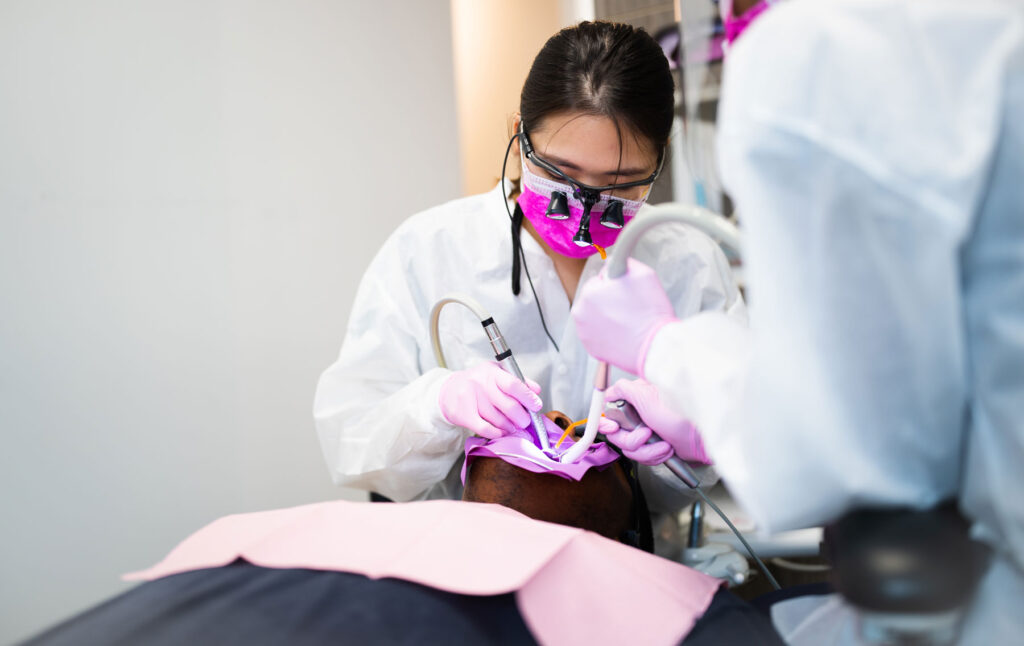
The necessity for braces can worry children, a mouth full of metal to make their teeth straight. Still, Invisalign is an alternative for metal braces. You can get straight teeth without your treatment being noticed, like metal braces. Still, are they better for your child? Some characteristics of Invisalign are more worthwhile for children.

How Can Invisalign Work Better on Kids?

Some kids are vigilant in keeping the Invisalign trays all day and night and only removing them while eating or drinking. The outcomes in such cases can be even better than usual. Therefore, the treatments for Invisalign are almost gone more quickly than for adults. It is because the kids are adaptable to having things in their mouths, and they will not constantly take them out. Invisalign can be an excellent choice for kids if they take care of it and keep it safe. Here are some advantages of Invisalign that are very beneficial for kids. 

  • Eat What You Want.

Kids are fond of eating foods like candies, popcorn, nuts, and chewing gum, and they find them excellent snacks that almost every child loves to eat. With clear aligners, your child can easily consume everything they love eating by removing the trays from their mouth. As the tray is removable, you can place them again after eating. 

  • Easy To Keep Your Teeth Clean With Invisalign.

Compared with those traditional metal braces, Invisalign is easy to clean. With Invisalign clear aligners, you don't have to hassle keeping your Invisalign clean and can do it quickly. 

You can also buy a special soft bristle toothbrush. Remove your aligners and then brush and floss like an average person. Place the aligners again once brushing and flossing are done. But make sure that aligners are kept safe when you are not wearing them!
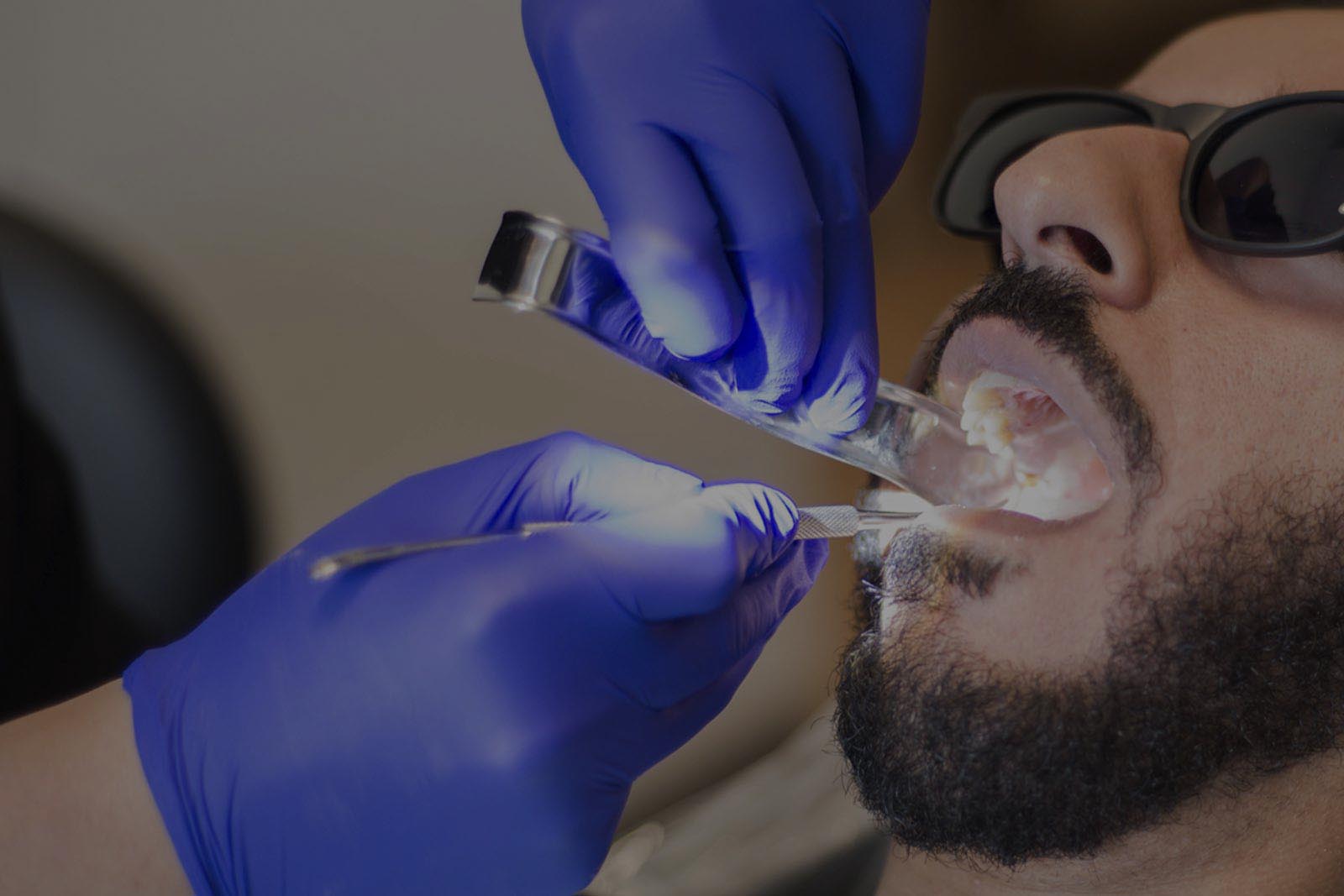
Keep your clear aligners clean; ask your dentist how to clean them. To avoid cavities, keep them clean and your mouth. 

In Conclusion:

Talk to your Invisalign near-me dentist. Suppose the orthodontic problem needs the Invisalign procedure. In that case, you and the child are comfortable with it and responsible for wearing the trays except for eating and drinking. In that case, your dentist will suggest placing kids on Invisalign over braces. 

If you also want Invisalign to straighten your kid's teeth, consult your dentist to ensure that your kid can keep it safely whenever they remove it. You can also ask for Invisalign before and after images. Visit or contact an affordable orthodontist for consultation and schedule an appointment.

Article source : https://www.ihealthytips.com/is-invisalign-a-better-option-for-children/

Friday, March 10, 2023

How Can You Avoid Root Canal?

 A root canal is needed when the tooth's pulp becomes impacted because bacteria penetrate deep into your teeth. In this case, the root canal specialist may suggest you a root canal treatment. 

Root canal therapy is best for treating the tooth; the dentist uses the method of root scaling and planing to clean the infection from the teeth. The tooth infection can even lead to tooth loss, so treating your teeth is a much better option.

Root canal therapy is the best solution to save your tooth. It is a tremendous tooth-saving tool that can deeply remove the infection from your tooth. There are many advancements in the treatment that have increased the success rate of endodontic therapy. Therefore, modern techniques and tools have reduced recovery periods of pain. 

If you are scared to have root canal treatment, here are the tips to avoid emergency root canal near me treatment. With these simple daily care routines, you can maintain oral hygiene and good oral health. 

  • Brush twice daily.

The best thing you can do to keep your teeth clean is to brush twice daily, and it is a simple and essential thing to do every day to maintain oral hygiene. Many adults and children skip brushing at night. 

  • Floss once daily. 

Missing the flossing step is like only cleaning your mouth 70%. Not flossing can contribute to bad breath, giving root-damaging bacteria room to live, spread infection, and prosper! Stop eating hard sugary foods like candies that are hard. They can cause cracks that will allow bacteria to penetrate your root system.

  • Weak teeth, be careful. 

If you have weak teeth or restorations, you should cut crunchy and hard fruits and vegetables such as carrots and apples, which can give cracks on your tooth easily. Don't have ice. Many people love the fresh, incredible taste of ice. But chewing on ice can provide cracks easily fracture or even can break a tooth or filling. If this happens, bacteria will get a way to enter the nerve center of your tooth. As soon as you notice the symptoms, you should visit your root canal dentist and discuss what's wrong.

  • Wear a mouth guard at night.

If you have a habit of grinding or clenching your jaw, wear a night guard to protect your teeth from breaks and fractures, which can finally uncover your tooth's roots.

  • Wearing a mouthguard while playing sports.

Make sure that when you play any sports, not just for football and hockey players, mouthguards play an essential part of equipment for every sport, from soccer to snowboarding. It is good to wear a mouth guard to protect your teeth from cracks, fractures, or breaks. 

  • Avoid acidic drinks and foods.

Avoid consuming acidic drinks and foods that cause the enamel to break down slowly. Then the enamel is lost, and bacteria get all the ways to enter your teeth, spread infection all over, and feast on your teeth.

  • Have regular dental checkups and cleanings.

The first and basic rule to keep your teeth healthy and clean is to visit your root canal near me regularly for dental checkups and cleaning every 6 months. 

In Conclusion:

If you feel a slight pain or discomfort in your teeth, check it out immediately! Any pain or discomfort can signify danger in your mouth, and overlooking it will only make it worse and treatments more serious. Contact your Dental Emergency Clinic and make an appointment now!

Article source : https://www.healthymindz.com/how-can-you-avoid-root-canal/

Sunday, February 26, 2023

When Do Dentists Need To Remove Your Wisdom Tooth?

 Typically, wisdom teeth are only extracted when they are causing or are likely to cause difficulties in the future. The wisdom tooth removal near me has no medically established health advantages. Furthermore, extracting your wisdom teeth can be painful and have negative repercussions.


Wisdom teeth that do not erupt entirely do not create any problems. However, they can sometimes cause pain, edoema, tooth decay, or swollen gums. Other teeth may be pushed aside by impacted wisdom teeth. Wisdom teeth that appear through your gums may also induce issues.


At what age should people have a wisdom tooth extraction?


The wisdom tooth extraction near me is for people of all ages. But many dentists advise getting them out in your late teens or early 20s. Your wisdom teeth are still developing at this point, and they may be simpler to remove with a lower risk of problems.

9.jpg


What happens before wisdom teeth extraction?


The emergency dental near me will refer you to an oral surgeon for a consultation. The dental expert will inspect your wisdom teeth and take dental X-rays to identify their exact location during this dental appointment. They'll also discuss your sedative options with you. Depending on your particular needs, Wisdom Teeth Removal is often done under local anesthetic, IV sedation, or general anesthesia. You should disclose any drugs, vitamins, or supplements you are currently taking to your surgeon.


What happens during wisdom teeth removal?


After giving you sedation medication, your surgeon will provide you with a local sedative or anesthesia to numb your gums and teeth. Wisdom teeth that have been impacted can be removed with sufficient access, thanks to incisions. Your dental expert carefully pulls apart and removes the wisdom teeth from their sockets once they are visible, cleans the affected areas, and applies stitches afterward. The stitches will typically vanish on their own after some days.


What happens after extracting a wisdom tooth?


You might experience a little discomfort after removing your wisdom teeth and some bleeding and swelling. If you want to minimize these side effects, your dental surgeon will offer you treatment guidelines for your wisdom teeth. You'll be driven home by a friend or relative once your anesthesia has worn off sufficiently.


What are the advantageous factors of wisdom teeth removal?


The main advantage of having wisdom teeth extracted is that it lowers the risk of developing future oral health issues such as gum disease, tooth decay, damage to neighboring teeth, bone loss, and jaw injuries. A wisdom tooth extraction can instantly relieve pain if it has already occurred due to your wisdom teeth and can help you resume your path to excellent dental health.


How long does wisdom tooth removal recovery take?


Most people recover entirely in 3 to 4 days, but it can take a couple of weeks for your gums to heal completely. Your oral surgeon will provide detailed post-surgical advice and instructions to keep you comfortable and safe.


Conclusion


The above-provided facts and information will help you learn some beneficial details regarding wisdom teeth removal. For more informative updates, please visit dentisthoustontx.com.    


Article Source : https://www.healthymindz.com/when-do-dentists-need-to-remove-your-wisdom-tooth/

Monday, February 20, 2023

What Kind Of Disease Is Gingivitis?

 Gingivitis, or periodontal disease, is a mild and early form of gum disease. It occurs when plaque and bacteria build up in your mouth, which results in infection. It makes the gums swollen, red, and easy to bleed. You can easily tackle gingivitis, especially with the help of an emergency dentist near me. If you leave it untreated, the condition can lead to periodontitis, a more severe gum disease.  


What causes periodontal disease?


Everyone's mouths contain microorganisms. Most bacteria are typical, safe, and natural. However, some bacteria can produce plaque, which is a sticky, nearly invisible film that forms on the teeth. Plaque and germs can infect the area where your teeth and gums come into contact if you don't brush your teeth regularly, which is gum disease. Over time, plaque becomes tartar, which is more difficult to remove, and Tartar can hold on to more bacteria, making gingivitis worse.


What are the symptoms of gingivitis?


Even in its later stages, gum disease can grow without causing any noticeable symptoms. Although the indicators of periodontal disease are frequently mild, they are not wholly absent. Some symptoms may indicate a particular illness form. Gum disease symptoms include:


  • Bleeding gums during and after cleaning your teeth
  • Having red, inflamed gums Gums in good health should be pink and firm.
  • persistent halitosis or an unpleasant aftertaste
  • recessed gums
  • Deep pockets developing between teeth and gums
  • Moving or loose teeth
  • Alterations in the way partial dentures fit or the way teeth do together when you bite down


What increases the chances of developing gingivitis?


According to Cigna insurance dental, you may face a higher risk of having gingivitis if you:


  • If you are pregnant or have other hormonal changes related to oral health
  • If you dont take good care of your teeth or crooked teeth that are hard to clean.
  • Have a family history of gum disease.
  • Have diabetes
  • Smoke or chew tobacco


How to treat gingivitis?


The two primary goals of Gingivitis Treatment are infection management and restoring healthy teeth and gums. Your dentist or periodontist will completely clean your teeth to eliminate harmful bacteria, plaque, or tartar. Additional gum disease treatment comprises:


Scaling and root planing


Emergency dental care specialists should perform scaling and root planing since they eliminate bacteria and tartar from your gums and teeth. The surfaces of the tooth roots are smoothed during planning, and the process helps prevent germs' adhesion.


Providing dental restoration,


Your dentists will fix or remove the crowns, fillings, or bridges that stick out or don't fit properly may be. Surfaces with more luster are more superficial to keep clean.


Encourage good dental hygiene.


Gingivitis is often treated with a thorough dental cleaning. But after you get back home, you need to maintain order. You'll pick up some tips on how to brush your teeth correctly and get assistance setting up checks.


Conclusion


The above-provided details and information will help you learn some beneficial facts and details regarding gingivitis. For more informative facts and updates regarding gingivitis, please visit dentisthoustontx.com.  


Article Source : https://www.transitsblog.com/what-kind-of-disease-is-gingivitis/

Tuesday, February 14, 2023

How Do Invisalign Aligners Work?

Invisalign is a brand of clear aligners, an orthodontic tool used to straighten teeth. According to the dentist office near me, clear or invisible aligners are medical-grade plastic mouthpieces built to order and pressed on teeth to move them into the proper position. Clear Invisalign aligners are a discrete replacement for traditional metal braces.


Customers should consider the benefits and disadvantages of Invisalign and traditional braces to determine which is preferable. Consider Invisalign before and after results and its advantages and disadvantages.


What are the advantageous factors of Invisalign aligners?


Appearance


In contrast to traditional braces, clear Invisalign aligners are almost invisible from a distance. One of the main reasons why several individuals prefer clear aligners to standard braces is their discrete design. You can see the clear results through INVISALIGN BEFORE AND AFTER PICTURES.


Comfort


Clear aligners don't result in the scratches, cuts, pain, or discomfort that braces can. Invisalign near me also fits tightly against the teeth. While teeth realignment may cause pain and discomfort for patients, Invisalign generally lessens pain inside the mouth.


Ease of Flossing and Brushing


After removing the mouthpiece, wearers of transparent aligners can brush and floss normally; there is no need for the time-consuming and challenging oral care routine associated with traditional braces.


Chewy or sticky foods carry no risk.


People with Invisalign clear aligners should strictly avoid Hard and chewy foods, including nuts, popcorn, and bagels.


Fewer trips to the orthodontist


Some individuals will visit the orthodontist less frequently with aligners than braces. Although it's not always the best option for everyone, some online retailers provide transparent aligners and no in-person appointments for orthodontic treatment. On the other hand, Invisalign treatments frequently require visits every four to six weeks, and customers undergoing braces therapy must come in for adjustments regularly.


What are the significant drawbacks of Invisalign aligners?


For simple corrections only


Transparent aligners are typically most successful for persons who only need little straightening. Nevertheless, they only sometimes work.


Removable for eating


Patients who are using Invisalign trays are only allowed to hydrate with water. However, kids should take them off whenever they consume other food or liquids. Food is squishy and may easily damage the plastic. Users should also remove their aligners before drinking hot or colored liquids because the clear plastic easily warps and stains in the heat.


Calls for Discipline


For best Invisalign results, you must wear the Invisalign aligner for at least 20 to 22 hours daily. Less frequent use can hinder development or worsen the outcome. Because they are so easy to take out, transparent aligners should only be chosen by individuals who have the self-control to wear them for the specified number of hours each day. Another problem is losing aligners, which is particularly problematic for kids since it drives up costs and extends the time needed for therapy.


More tooth brushing


People with poor dental hygiene should refrain from wearing Invisalign since it can create cavities and bad breath. After eating or drinking, wearers should thoroughly rinse their teeth. Because most people eat during the day, brushing time may increase by two to three times.


Conclusion


The above-provided details and information help us learn valuable details regarding Invisalign aligners. For more practical details, please visit dentisthoustontx.com.


Article Source : https://www.healthandhealthytips.com/how-do-invisalign-aligners-work/

Sunday, February 5, 2023

Why Do We Wear Dentures?

Dentures near me not only make a smile with several missing teeth look better, but they help maintain the integrity of the mouth's structure by supporting the tissues around the cheeks and lips. Additionally, chewing-hard food can be consumed with dentures, letting you maintain your diet and get the nutrition you need.


Last but not least, dentures are a good option for replacing teeth causing significant pain and oral health problems, like those with severely damaged roots or rotten roots. When they fit the dentures, they remove problematic teeth and replace them with a durable and attractive substitute.


What are partial dentures?


When one or more teeth are lost, neighboring natural teeth are too weak to support dental bridges. Partial dentures are frequently utilized in place of other tooth replacement options. The partial dentures are adapted to the portion of the gum line they rest on and secured to neighboring healthy teeth to prevent dislocation. However, they are not firmly attached and can be removed for cleaning or sleeping. You can see the clear results in your teeth before and after partial dentures.


What are full dentures?


Full dentures often called complete dentures, are prosthetics that completely replace your natural teeth. They are held in position by suction and an oral glue and can be customized to fit your top or bottom gum line. They can be removed with ease, just like partial dentures.


What are immediate dentures and overdentures?


Immediate dentures.


These immediate dentures are placed the same day the remaining teeth are extracted. During your first appointment, your dentist for dental emergency near me will measure your jaw and create models. While you don't have to go without teeth while your jaw heals, you might need to redo your same day dentures when it has.


Overdenture.


It's possible to prevent some of your teeth, protect your jawbone, and give your denture solidity and support. Overdenture can cover some of your natural teeth that are still intact after your dentist prepared them. You can also gain exact purpose using implants.


How do new dentures feel like?


For a few weeks, new dentures could feel strange or loose until your cheek and tongue muscles get used to holding them in place, and you feel comfortable putting them in and taking them out. When you initially start wearing dentures, it's common for slight irritation or soreness to occur and for saliva flow to rise, but these issues will go away as your mouth becomes used to them.


Is it difficult to eat with dentures in your mouth?


It will take some time to adjust, and it may be uncomfortable for some wearers to eat with new dentures for weeks. Start with a soft chopped-up meal into little pieces to get acclimated to the new denture. Use both sides of your mouth to chew slowly. Exercise caution with hot or hard meals and sharp-edged bones or shells. Additionally, avoid overly hard or sticky meals.


Conclusion


The above article provides much helpful information regarding dentures and their types. For more informative updates, please visit dentisthoustontx.com.  


Article source : https://www.worldofarticles.com/why-do-we-wear-dentures/

Wednesday, February 1, 2023

What Do You Know About Sleep Apnea?

 Sleep apnea is a health condition that causes you to stop breathing while sleeping. According to dentists open Saturdays, it happens because you stop breathing during your sleep. It occurs due to Your air blockage or your brain not correctly controlling your breathing. As a result, you run out of oxygen, which triggers a survival response that awakens you.


So you can start breathing again. While keeping you alive, that response also disrupts your sleep pattern and hinders you from getting a good night's sleep. It may also have other adverse effects, such as straining your heart, which may have fatal results.


How do doctors diagnose sleep apnea?


A Cigna Dental PPO healthcare professional would typically ask questions about your symptoms and medical history to diagnose sleep apnea. They'll probably want you to get tested for sleep apnea if they think you have it based on your symptoms and responses.


What are the tests to diagnose sleep apnea?


According to Dental Clinic near me, the most typical sleep apnea tests are as follows:


Overnight sleep study.


In this overnight test, you'll spend the night in a hospital setting mainly designed to be as pleasant as possible while still keeping an eye on your sleep. Sensors in this exam keep an eye on your respiration, heart rate, blood oxygen levels, brain waves, and more. This test is the gold standard among professionals for identifying sleep apnea.


Sleep apnea testing at home.


This examination enables someone to carry out a sleep study at home. It is comparable to an overnight sleep study. However, it excludes using a brain wave monitor. When doctors suspect more severe sleep apnea or if you have other sleep disorders or medical illnesses. They usually won't recommend this test because it can't identify central sleep apnea. A dentist near me frequently advises doing an overnight sleep study to confirm results from a home study that don't indicate sleep apnea.


How do doctors treat sleep apnea?


There are many sleep apnea treatment options depending on the precise form of sleep apnea and how severe it is. While not a cure, all of these can aid in preventing apnea episodes or lessening their frequency or severity. It would be best to incorporate many treatments into your daily routine. As long as you continue these therapies, this can eventually reduce or completely eradicate sleep apnea's negative consequences on your life. Effective treatments may include:


  • Conservative or nonmedical treatments
  • Adaptive ventilation devices and positive airway pressure
  • Oral appliances
  • Medications
  • Nerve stimulators
  • Surgery


How soon will you feel better after treatment?


The time it takes to recover or feel better following sleep apnea therapy depends on the treatments. Some people will feel better immediately, while others might not fully benefit from the treatment until three to six months of constant nightly dosing. You can obtain more information about the recovery process and when you anticipate feeling better from your healthcare professional.


Conclusion


The above-provided details and information will help you learn some beneficial things regarding sleep apnea and its treatment. For more valuable updates, please visit dentisthoustontx.com.


Article source : https://www.articleapprove.com/what-do-you-know-about-sleep-apnea/

Monday, January 23, 2023

Why Is Tooth Extraction Essential?

Tooth extraction, in some cases, is necessary for good oral health. Even if you take proper care and maintain good oral hygiene, you may suffer from extreme tooth pain and go to the dentist. Your dentist may suggest tooth extraction if the case is too severe.

Suppose your dental emergency care near me has recommended a tooth extraction. In that case, there is no other way to save your tooth and the only way to prevent it from harming your other teeth and keeping your oral health issues healthy.

When is a tooth extraction necessary?

A tooth extraction is necessary when the pain is severe; your Montrose dental will recommend a tooth extraction if it is needed. And if your dentist recommends so, then it is necessary to extract the teeth.

9.jpg

Dentists suggest tooth extraction only when the tooth has become infected and has severe gum disease, or the tooth can’t be saved. Suppose the tooth can’t be protected with a dental filling or crown. In that case, only the last option to keep other teeth from getting infected is extracting the infected teeth. The infected tooth can damage the other adjacent teeth and cause oral issues.

The same happens in the impacted wisdom teeth; the wisdom teeth seem to appear sometimes on an angle that can cause jaw pain and discomfort, damage to other teeth, overcrowding, and tooth decay. In this case, the emergency tooth extractions near me recommend wisdom teeth extraction. There are two types of dental extraction:

Simple Dental Extraction

A simple dental extraction removes teeth visible in the mouth, the front teeth. General dentists usually carry out this process in their dental practices; the dentist uses a local anesthetic to numb the affected area and reduce pain. The dentist use tools to elevate the impacted tooth and seize the visible part needed to operate such an elevator and dental forceps. The dentist uses the tool elevator to relax the tooth and the forceps to catch it to pull it out.

The tooth can then be pushed back and along until the periodontal ligament leaves the tooth from the alveolar bone so that the dentist can extract it fully. This needs to apply steady pressure on the tooth with constant force from the dental tools by the dental extractions near me.

Surgical Dental Extraction

A dentist performs surgical extraction to extract wisdom teeth. It is th removal of the teeth that are not easily accessible inside the mouth. This may happen because the teeth have yet to erupt through the gum completely; sometimes, the teeth fracture under the gum line. The dentist will insert the connective tissue around the infected tooth to remove it quickly. The dentist may drill the nearby area jawbones to remove them during the extraction process.

You may not feel the pain during the extraction process as the dentist carries the process under the general anesthetic by the surgeon.

In Conclusion:

The extraction, in some cases, is necessary to keep your dental health healthy and stress-free from further infection. You must take care of your oral health and avoid smoking and staining food products. Visit your dentist if you are experiencing a toothache, and consult your wisdom teeth extraction near me.


Article Source : https://www.gohealthtips.com/why-is-tooth-extraction-essential/


Tuesday, January 17, 2023

Facts About the Crown You Should Know Before Getting a Crown

 Dental crowns are the best solution for dental restorations. Many people around the world have grown on their teeth. Dental crowns are cover that is placed on top of your damaged teeth. These crowns are helpful to protect, cover, and restore the shape and size of your teeth. Crowns can also be used when fillings don't solve the problem.


Dental crowns are made from metals, porcelain, resin, and ceramics. They commonly don't demand special care over time besides good oral hygiene. Dental crowns are used for other types of methods too. Crown dental near me can help you with the best approach.


Dental crowns are a part of cosmetic dentistry. Worn down, permanently stained, a mishappen, or discolored tooth, a dental crown can cover all. A dental crown is one of the most common dental restoration efforts to make your teeth function as usual. A dental crown is a permanent cap that preserves and covers your chipped, broken, or weak teeth. Crowns are custom-made to match the rest of your teeth set.


A crown helps to restore your teeth' functionality and smile; this technique can improve your smile. If you face the same teeth issues, you are at the right place to get your natural smile back.

Purpose of Dental Crown

To help your teeth usually function like before and restore fractured or damaged teeth, a crown is the best option; it is cost-effective and makes your teeth look original.

It matches the color of your teeth as it is custom-made. It also strengthens the tooth following a root canal procedure. Sometimes, it also saves the tooth from extraction and maintains its structure. A dental crowns near me regenerates your teeth's complete performance, protects them from further damage, and gives you a better smile.

One-Day Crown

The one-Day crown is installing the crown on the same day when you arrive at the Dental Emergency Clinic office. This process uses CAD and CAM technologies to design the dental crown for your teeth.

Temporary Crown

A temporary crown is placed on your teeth for some time until your permanent crown is not ready. The temporary crown is given for asthetic appeal while you wait for the permanent crown. A temporary adhesive is applied to the teeth, so it is easy to remove when the permanent crown is placed.

Caring for a Dental Crown

A dental crown does not need essential extra care. Just regular care like brushing and flossing daily with care and paying attention to the area where the crown meets the tooth. Or you may damage the crown with harsh brushing. Avoid hard foods like candies or sticky food that can harm your dental crown.


If you feel sensitive around the area of the crown, change the toothpaste that is sensitive to teeth. And if you are having habits like chewing nails, or opening any packet with your mouth, avoid doing so, as that can harm your crown, and visit your dental emergency clinic near me for regular check-ups and cleanings for good oral health.

In Conclusion:

Call and visit a Houston cosmetic dentist if you are considering a crown for your teeth. You can consult your dentist about whether you are a good candidate for the dental crown.


Article Source : https://www.healthandhealthytips.com/facts-about-the-crown-you-should-know-before-getting-a-crown/

Wednesday, January 11, 2023

How Is Periodontal Disease Severe Disease?

 The disease mainly leads to tooth loss if you do not treat it on time; the result causes inflammation of the gums and bones around the teeth. There are two stages of gum disease. If the first stage is not diagnosed on time, it can lead to the second stage of gum disease. The condition can be reversed in the first stage, and tooth loss can usually be averted. Still, it becomes more difficult in the second stage.


To prevent gum disease, maintain good oral hygiene and visit your periodontal dentist for cleanings and check-ups every 6 months if you notice signs like red or swollen gums and loose teeth.


Signs of periodontal disease include red and swollen gums, bleeding gums, persistent bad breath, receding gums, and loose teeth. Smoking, particular illnesses (such as diabetes), elder age, anxiety, and other aspects increase a patient's periodontal disease risk.


If you have periodontal disease, your periodontal specialists may refer you to a periodontist who specializes in treating gum diseases. If you do not treat periodontal disease, it may lead to tooth loss.

Advanced Stages of Periodontal Gum Disease:

Healthy Gums


A healthy gum will appear firm and pink attached to the teeth, and reinforced by bones are a good indication of healthy gums and teeth. Your gums and teeth are healthy, but you must visit your Dentist Houston Tx every 6 months.


Gingivitis

This is the first stage of gum disease. In this stage, the bacteria start building up and cause gingivitis. The area of the gums is affected, and the gums become swollen and red. When you brush your teeth or feel teeth irritation, then it can indicate that gingivitis is present. You may consult your dentist and make an appointment to remove plaque buildup and prevent gum disease.


Early Periodontitis

When you do not treat the infected gums on time, they become more infected and start to pull away from the teeth and make space between the teeth which eventually can cause tooth loss if not treated. The space is known as periodontal "pockets," Soon, the pocket gets filled with food, and bacteria begin to form plaque and collect in the pockets, leading to significant infection. The bone near the affected area becomes infected by bacterial toxins and the immune system's response to disease.


Moderate Periodontitis

In this stage, the number of bacteria becomes intense, and the more severe the inflammation extends, you will have some discomfort. The supporting bone is lost, teeth loosen, and the gums recede further, causing bone loss.


Advanced Periodontitis

It is the leading cause of tooth loss in aged people. Advanced periodontitis is the last and most painful stage resulting from the infection spreading under the gums, which is irreversible. Your dentist near me open today and will extract the tooth anyhow.

Treatment For Gum disease:

The treatment options for gum diseases are often removing the deposited plaque and tartar or Scaling and cleaning.


Scaling and root planing is the first technique to treat periodontal gum disease. It is a deep cleaning procedure that helps remove bacterial plaque and calculus (tartar) with the help of tools. Scaling is scraping tartar, the hard substance on the teeth, and below the gum line, and root planing will file the teeth' surface.

In Conclusion:

If left untreated, gum disease can cause tooth loss, and it is better to treat the condition when you notice the symptoms. Visit your Houston dentist if you suffer from swollen or bleeding gums. Call your dentist now and book an appointment.  


Article source : https://www.ihealthytips.com/how-is-periodontal-disease-severe-disease/

Sunday, January 1, 2023

Why Is It Important To Get Dental Care And Teeth Cleaning?

 Everybody knows from childhood that cleaning your teeth prevents germs from entering the mouth and keeps your teeth and gums clean and healthy. Brushing and flossing your teeth on time can keep your mouth healthy and well-being. Teeth cleaning can reduce the risk of several dental problems.


Looking after your teeth with devotion few minutes can give you life-long benefits and prevent teeth and gum issues. You should also visit the delta dentist near me every 6 months to clean your teeth and practice good oral hygiene. Many people think of cleaning as an optional choice. But why should you have a dental cleaning? Here are some questions people ask about dental cleanings and why they are essential to good dental care.

What is Included in a Dental Cleaning?

There is more than one type of dental cleaning; your dentist will determine the best dental teeth cleaning solution for your condition. Therefore, all dental cleaning procedures include the removal of tartar and plaque from the teeth’s surface. Most cleanings involve brushing, and the dentist will look for any signs of developing gums or teeth issues in another cleaning. This is essential before the cleaning procedure starts so that the gums and teeth are not damaged.

What Does a Cleaning Do For Bacteria and germs in the mouth?

All bacterias are not harmful, but the number of bacteria in the mouth should not be in excess as it can result in opposite effects and create oral issues. Only an adequate number of bacteria are suitable for your mouth, and dental cleaning helps keep the bacteria in balance; if you do not visit your dental midtown for dental cleaning, the number of bacteria may increase and can cost a lot of money in your oral health issues. The money you spend on dental cleaning is less, considering the problems you may have further without dental cleanings. 

Why is it necessary to keep teeth clean and healthy?

The tooth starts decaying if you do not regularly clean it or visit your dentist for dental cleaning. The tooth enamel cannot grow again once it is depleted or deteriorates. The dentist restores the affected teeth with crowns, veneers, and bridgework; these are all restorative techniques to mend decayed or missing teeth. The tooth that decays cannot be as strong as before, so a person must go through a dental cleaning.

Take care of your dental health:

To keep your teeth healthy and clean, follow daily routines:


  • The first step is always to prioritize your dental health.
  • Don’t forget to brush and floss twice daily; you can use fluoridated toothpaste and visit your dentist every six months, which will help prevent the build-up of cavities.
  • Limit eating snacks between meals; this will help your saliva to balance acids and support your oral health.


Stop overeating sweets, soft drinks, biscuits, and cereals; all these are common sources of sugar. Deep cleaning dental cost can vary from person to person; you can consult your dentist for more details.

In Conclusion:

Maintain good oral health by brushing and flossing your teeth and gums twice daily. See your dentist teeth cleaning every 6 months. Maintain good oral health and keep your oral health healthy by cleaning your teeth daily.


Article Source : https://www.healthymindz.com/why-is-it-important-to-get-dental-care-and-teeth-cleaning/


Thursday, December 29, 2022

Why Should You Choose Invisalign?

 Invisalign is better because they have many benefits that only an Invisalign treatment can give and shows th effective results in 12 to 18 months. Many people think that only braces can straighten teeth. These invisible aligners move your teeth slowly and straighten them; the treatment is much more comfortable than traditional braces. So if you are avoiding the treatment because of those metal wires, here is a solution that can help you.


So if you're considering getting braces instead of Invisalign, check out these six reasons why you may want to choose Invisalign.

Easier to Clean

The first benefit is that you can clean the Invisalign easily; you can remove the trays and clean them. When the food gets stuck in an area that is hard to clean, it can cause poor dental hygiene.


But Invisalign aligners are easy to remove from the mouth and clean them. Don't worry about flossing or brushing in between brackets and wires in braces because Invisalign is completely removable. This way, you can protect your teeth from poor hygiene.

No Food Restrictions

When you have braces, your emergency dentist care near me will instruct you to eat many foods to avoid chewing hard candies or food that can stick to your teeth and wires. But not everyone can stay upto the instructions and end up damaging the wires or brackets. But when you choose Invisalign, you dont have to worry about the food; you can eat your favorite food as they are easy to remove.

More Comfortable

With Invisalign, you can be more comfortable, as installing any appliance in your mouth takes time to get used to it. But with Invisalign, you don't have to get used to it as it is already comfortable. No sharp edges and no tightening of the brackets in each visit to your Invisalign dentist near me.

Nearly Invisible

Compared to braces, Invisalign is less visible or almost not visible until you tell someone about it. When you smile, you can smile loudly without the embracement of braces being shown. Invisalign clear aligners are made of clear plastic, so they are nearly visible when you smile or talk.

Fewer visits to the Orthodontist

A person wearing braces has to visit the dentist frequently to tighten the wires when they are straightening their teeth. The dentist pulls the wires in each visit to make the treatment successful. On the other hand, Invisalign does not need regular visits to the dentist. The dentist will provide you with multiple sets of Invisalign to change them; you can put them simply on your own.


Although still for routine checkups, you have to visit your Aetna dentist near me. To check on the progress every 4 to 8 weeks. But they usually are less often than tightening appointments for braces.

No Discoloration

With braces, some patients experience discoloration in the bracket area, but with Invisalign, there is no such discoloration problem. Discoloration usually happens when you consume a lot of sugar, coffee, or other staining foods. You can avoid staining by using Invisalign.

Less Bulky

Braces feel bulky, with brackets and bands around the teeth and irritating metal wires that can sometimes hurt inside the mouth. Invisalign aligners are easy and comfortable to handle. They are less bulky, do not irritate your gums, and Invisalign puts pressure on the teeth to move them slightly back to their original position. There might be discomfort for 1 or 2 days, but you will be comfortable soon.


In Conclusion:

If you are considering Invisalign, schedule an Appointment Today and relish the benefits of Invisalign. If you are interested in getting Invisalign or any of our other orthodontics services, call or contact dentists near me delta dental online to schedule an appointment Today.


Article Source : https://www.articleapprove.com/why-should-you-choose-invisalign/

Tuesday, December 20, 2022

Why Do Dentists Remove Wisdom Teeth?

 Wisdom Teeth Removal is oral surgery to remove wisdom teeth. But it's only sometimes necessary.


Preventative efforts


Even yet, the absence of pain from your wisdom teeth does not imply that there is no issue. There may be impacted wisdom teeth that cannot enter your mouth through your jaw. The teeth can grow at an angle to other teeth, or your mouth may need more room for them. By pressing on it, they risk breaking the teeth next door. To avoid issues later, some dentists remove healthy molars. The bones in your mouth become harder as you age, and as a result, they are tougher to remove.


What causes wisdom tooth removal?


Wisdom teeth need to be removed when they create issues or when X-rays show they could cause trouble in the future. Other justifications for wisdom tooth removal near me include the following:


  • Damage to other teeth: Having an extra set of molars can force your other teeth into an uncomfortable position and affect your bite.
  • Jaw damage: Cysts may develop around newly erupted teeth. They can hollow out your jaw and harm nerves if not treated.
  • Problems with wisdom teeth can cause pain, pressure, and congestion in the sinuses.
  • Gums that are inflamed: The surrounding tissue may expand and be challenging to clean.
  • Cavities: Swollen gums can form spaces between teeth, which encourage bacterial growth and the development of cavities.


What kind of anesthesia you'll receive during wisdom teeth removal surgery?


According to emergency dental near me, Your procedure should last no more than 45 minutes. To prevent pain while the removal is being done, you will get one of the following types of anesthesia:


Local


Your dentist who does wisdom tooth extraction near me will give you a shot of a local anesthetic such as novocaine, lidocaine, or mepivacaine to numb your mouth. Gaining consciousness or passing out during surgery can also make you inhale nitrous oxide, a laughing gas. Soon after, you should start feeling alert once again.


IV sedation


The surgeon will numb your mouth and use medications to make you sleepy through a vein in your arm. You might fall asleep throughout the process.


General


You'll either breathe in laughing gas with a mask or get medicines injected into a vein. The surgery will keep you sleeping the entire time, and you might not awaken for a while.


What happens after the surgery?


Anesthesia affects people differently. You can drive home to start your recovery if you have a local anesthetic and feel awake. You can resume working or engage in your regular activities. You'll need a ride home if you underwent general anesthesia or still feel sleepy. After surgery, most patients experience minimal to no pain.


You'll probably experience swelling and minimal discomfort for three days or so. It could take a few weeks for your mouth to heal entirely. To recover more quickly, follow your doctor's recommendations.


Conclusion


The above-given information will tell you about wisdom teeth removal. It also highlights various informative and beneficial aspects regarding wisdom teeth removal. For more information, please visit dentisthoustontx.com.

Article Source : https://www.articleaffiliate.com/why-do-dentists-remove-wisdom-teeth/

Wednesday, December 14, 2022

What Do You Know About Gingivitis?

 According to an emergency dentist near me, a gum or gingiva irritation called gingivitis is often uncomfortable, and plaque accumulation on the teeth is often to blame. At some point in their lives, most adults will experience gingivitis, a common ailment. It is a gum disease, and its symptoms are usually not severe. Nevertheless, if the underlying reason is not addressed, it may worsen and become more serious.


Essential details concerning gingivitis include:


  • The most frequent cause of gingivitis is bacterial accumulation around the teeth.
  • You can characterize gingivitis by red, swollen gums that may bleed when you brush your teeth.
  • Regular flossing and longer, more frequent brushing are effective treatments for gingivitis.
  • An antibacterial mouthwash may also be beneficial.


Who can develop gingivitis?


Gum disease is highly typical. A form of gum disease affects nearly half of all persons over 30.


Gum disease is more prevalent in:


  • Men, yet scientists are unsure of the cause. Men are more prone to associated disorders than women, which may be related to hormones. Men also don't visit the emergency dental care dentist as frequently.
  • People who are uneducated beyond the high school level and those who are in poverty. Many diseases have links to these factors.
  • Smokers, as smoking, impair a person's body's ability to fight infection.


How do dentists diagnose and treat gingivitis?


Diagnosis


An oral dentist will look for symptoms like plaque and tartar in the mouth cavity. To look for gum disease symptoms, they could also request testing. You can do it via an X-ray or periodontal probing, which uses a tool that gauges the size of the pockets surrounding a tooth.


Treatment


An individual may be able to get Gingivitis Treatment at home with adequate oral hygiene if diagnosis occurs early and therapy is fast and appropriate. A dental professional could perform the initial scaling, and they do it to eliminate excess tartar and plaque. If there has been extensive tartar accumulation, this could be uncomfortable if the gums are sensitive.


Following a dental cleaning, the dentist who does gum disease treatment will educate the patient on the importance of oral hygiene and how to brush and floss their teeth properly. They might suggest setting up follow-up sessions to check on a person's plaque and tartar. Because of this, the cigna insurance dental specialist can spot and handle any recurrences quickly.


Maintaining dental hygiene also involves restoring any damaged teeth. In some dental disorders, such as crooked teeth, poorly fitted crowns, or bridges, plaque and tartar removal may be more difficult. They could also aggravate the gums.


How can we prevent gingivitis?


Maintaining proper oral hygiene can help you avoid gingivitis:


  • When you get up before bed, brush your teeth twice a day.
  • If you have diabetes, control it.
  • Do not use tobacco products or smoke.
  • Floss daily to get rid of the bacteria between your teeth.
  • Limit alcohol as well as foods and beverages that are high in sugar.
  • For checks, visit the dentist at least once a year, more frequently, if any symptoms arise.


Conclusion


The above-given information will help you learn some beneficial things regarding gingivitis. For more valuable details, please visit dentisthoustontx.com.

Article Source : https://www.bloggingpalace.com/what-do-you-know-about-gingivitis/

Is Invisalign A Better Option For Children?

  Many people prefer Invisalign over braces as they match the color of the teeth flawlessly. Suppose you have crooked, crowded, or misaligne...